




Why Gigabyte Servers Fit the Needs of Modern Data Center IT
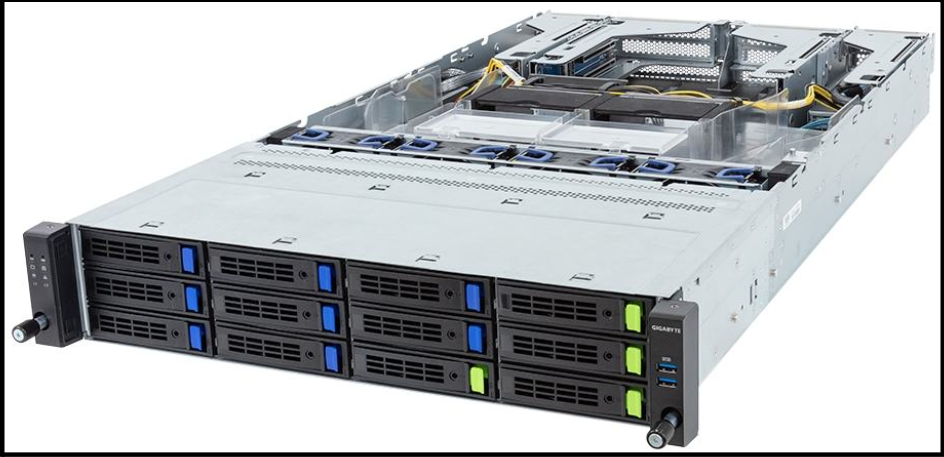
Modern data centers are evolving at a rapid pace. Businesses now depend on infrastructure that can handle massive data volumes, complex workloads, and constant demand for uptime. From cloud computing and virtualization to AI-driven analytics and enterprise applications, performance expectations continue to rise.
In this environment, server platforms must deliver more than basic compute power. They must offer flexibility, efficiency, and long-term reliability. This is where Gigabyte servers have become a strong choice for modern data center performance IT.
Rather than focusing on narrow use cases, Gigabyte has built its reputation around adaptable server designs that support a wide range of workloads. This versatility makes the platform appealing to organizations that want infrastructure capable of growing and evolving alongside business needs.
Meeting the Performance Expectations of Modern Workloads
Data center workloads today are far more demanding than in the past. Applications often run simultaneously, compete for resources, and require consistent low-latency access to data. Traditional server setups can struggle under this pressure, leading to performance bottlenecks and inefficient resource use.
Gigabyte servers are designed to support high-performance computing by offering configurations that accommodate modern processors, large memory capacities, and advanced storage options. This enables data centers to handle mixed workloads efficiently, whether supporting virtualization clusters, transactional databases, or analytics platforms. The result is smoother performance and better system responsiveness across the IT environment.
Designed for Density and Space Efficiency
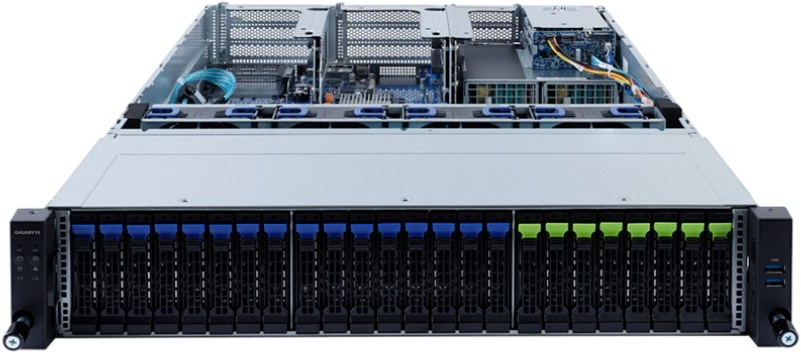
Physical space remains a critical concern in data centers. As workloads grow, organizations want to increase capacity without expanding their footprint. Gigabyte servers address this challenge with high-density designs that maximize performance per rack unit.
By consolidating more compute power into less space, data centers can reduce hardware sprawl and simplify infrastructure layouts. This density not only improves performance efficiency but also helps lower costs related to space, power distribution, and cooling. For organizations optimizing existing facilities, this design approach delivers practical operational advantages.
Flexible Architecture for Diverse IT Needs
Modern IT environments rarely operate in silos. A single data center may support legacy applications, cloud-native workloads, containerized services, and AI processes at the same time. Infrastructure must be flexible enough to adapt to these varying demands.
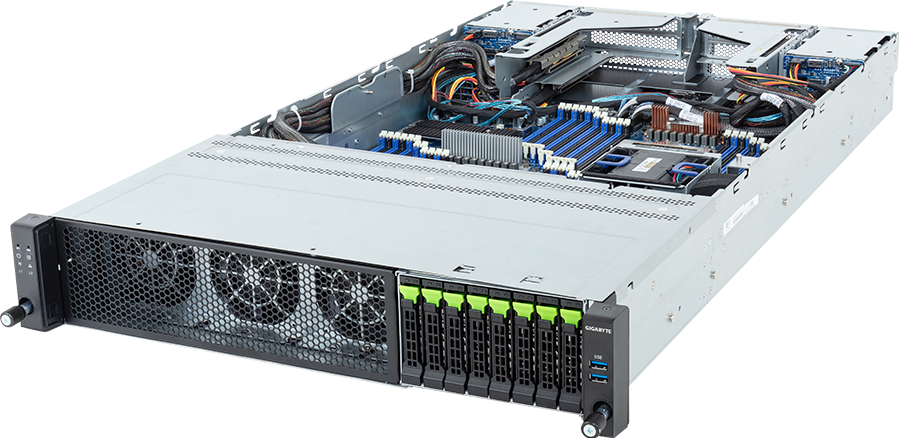
Gigabyte Servers offer modular architectures that support multiple CPU platforms, GPU acceleration, and scalable storage configurations. This flexibility allows IT teams to tailor systems to specific workload requirements without investing in entirely separate infrastructures. It also simplifies long-term planning by reducing the need for specialized hardware for each application type.
Thermal Efficiency and Power Optimization
Power consumption and heat management are major considerations in data center operations. As server performance increases, inefficient thermal design can lead to higher energy costs and reduced hardware lifespan.
Gigabyte emphasizes efficient airflow design and intelligent power management across its server platforms. These features help maintain stable operating temperatures even under heavy workloads. Improved thermal efficiency reduces cooling requirements and supports sustainability goals, which are becoming increasingly important for modern enterprises.
Supporting Scalability Without Complexity
Scalability is no longer a future consideration; it is an immediate requirement. Data centers must be able to expand resources quickly in response to business growth, new applications, or seasonal demand spikes.
Gigabyte servers support scalable designs that allow organizations to add compute, memory, or storage capacity as needed. This modular scalability reduces disruption and helps align infrastructure investments with actual usage. Instead of overbuilding upfront, businesses can grow their data center capabilities incrementally and cost-effectively.
Reliability for Continuous Data Center Operations
Uptime remains a top priority in performance-driven IT environments. Even brief downtime can disrupt operations, impact customers, and result in financial loss. Gigabyte servers are built with enterprise-grade components and reliability features designed to support continuous operation.
Redundant power options, robust firmware management, and validated hardware configurations contribute to long-term system stability. This reliability is especially important for organizations running mission-critical workloads where performance consistency and availability are non-negotiable.
Enabling Advanced and Emerging Technologies
The future of data center computing is closely tied to emerging technologies such as artificial intelligence, machine learning, and edge computing. These workloads demand infrastructure capable of handling parallel processing and high data throughput.
Gigabyte servers are increasingly deployed in environments that require GPU acceleration and high-speed networking. This makes them well-suited for AI training, inference workloads, and advanced analytics. By supporting these technologies, Gigabyte Servers Systems help organizations prepare for the next generation of computing without constant infrastructure redesign.
Simplifying IT Management and Operations
Operational efficiency depends not only on hardware performance but also on ease of management. Complex server environments increase administrative overhead and raise the risk of configuration errors.
Gigabyte servers integrate with modern management tools that allow centralized monitoring, updates, and performance tracking. This simplifies daily operations and reduces the workload on IT teams. In lean IT environments, streamlined management can significantly improve productivity and reduce operational risk.
Aligning Infrastructure With Business Strategy
Server infrastructure is no longer just an IT concern; it is a strategic business decision. Performance limitations can slow innovation, delay decision-making, and limit an organization’s ability to compete.
Gigabyte servers provide a balanced combination of performance, efficiency, and scalability that aligns well with long-term business goals. By supporting both current workloads and future expansion, these servers help organizations remain agile in a rapidly changing digital landscape.
Why Gigabyte Servers Stand Out in Modern Data Centers
What sets Gigabyte apart is not a single feature but the overall approach to server design. The focus on adaptability, density, and efficiency makes these servers suitable for a wide range of data center environments.
Organizations benefit from infrastructure that can evolve without frequent replacements or major reconfigurations. This long-term value is a key reason why Gigabyte servers continue to gain traction in performance-driven IT deployments.
A Smarter Way to Build Performance-Driven IT
Modern data centers must balance performance demands with operational efficiency and cost control. Gigabyte servers contribute to this balance by delivering reliable performance while supporting scalable, future-ready designs.
Rather than chasing short-term gains, businesses investing in adaptable server platforms position themselves for sustainable growth. This approach ensures that IT infrastructure supports innovation instead of limiting it.
Moving Forward With the Right Technology Partner
Choosing the right server platform is only part of building a high-performance data center. Access to reliable sourcing and expert guidance also plays a critical role.
For organizations exploring dependable server solutions, Cloud Ninjas offers access to trusted hardware options and knowledgeable support. Partnering with an experienced provider can help ensure that Gigabyte server investments deliver long-term performance, efficiency, and confidence in modern data center operations.
Other Articles

How the Right Dump Trucks Can Improve Efficiency on Your Worksite