




How James Cumming Australian Natural Zeolite Improves Soil Structure and Water Retention
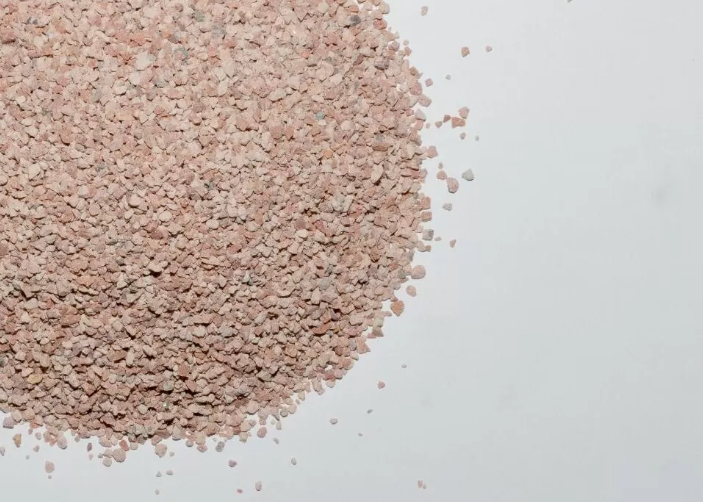
Healthy soil is the foundation of productive agriculture, landscaping, and horticulture. As growers and land managers look for natural ways to improve soil performance, James Cumming Australian Natural Zeolite has gained attention for its ability to enhance soil structure while significantly improving water retention. Derived from a naturally occurring mineral, this form of zeolite supports long-term soil health without relying on synthetic additives.
Understanding how zeolite interacts with soil helps explain why it is increasingly used in farming, gardening, and environmental applications across Australia.
Understanding Soil Structure and Why It Matters
Soil structure refers to how soil particles bind together to form aggregates. Good soil structure allows water, air, and nutrients to move freely while still providing stability for plant roots. Poor soil structure, on the other hand, can lead to compaction, water runoff, poor drainage, and reduced root development.
Common causes of degraded soil structure include repeated cultivation, heavy machinery, erosion, and low organic matter. Over time, these factors reduce the soil’s ability to hold moisture and nutrients, directly impacting plant growth and yield. Improving soil structure is therefore not just about plant performance but about maintaining soil resilience over the long term.
What Makes Natural Zeolite Effective in Soil
Zeolite is a porous volcanic mineral with a unique crystalline structure. This structure gives it a high cation exchange capacity, meaning it can attract, hold, and slowly release positively charged nutrients such as ammonium, potassium, and calcium.
At the same time, zeolite’s porous nature allows it to absorb and retain water within its structure. Unlike clay, which can become waterlogged, zeolite stores moisture while still allowing excess water to drain away. This balance is key to improving both soil aeration and hydration.
Improving Soil Aggregation and Stability
One of the key ways zeolite improves soil structure is by supporting aggregation. When added to soil, zeolite particles help bind fine soil components together into more stable aggregates. This is particularly beneficial in sandy soils, which often lack cohesion, and in clay soils, which are prone to compaction.
Improved aggregation creates pore spaces within the soil. These pores allow roots to penetrate more easily and support the movement of air and water. Over time, soils treated with zeolite tend to resist compaction and maintain a more friable, workable texture. This structural improvement supports stronger root systems and more consistent plant growth.
Enhancing Water Retention Without Waterlogging
Water retention is one of the most valued benefits of zeolite in soil management. Zeolite acts like a natural reservoir, absorbing water during irrigation or rainfall and releasing it slowly as the surrounding soil dries.
This slow release helps maintain consistent moisture levels in the root zone, reducing plant stress during dry periods. At the same time, zeolite does not trap water in a way that causes waterlogging, making it suitable for a wide range of soil types. In regions with variable rainfall or irrigation restrictions, improved water retention can reduce watering frequency and improve water use efficiency.
Supporting Nutrient Availability and Reduced Leaching
In addition to water, zeolite helps retain nutrients that would otherwise be lost through leaching. Nutrients such as nitrogen are particularly prone to being washed below the root zone during heavy rain or irrigation.
Zeolite captures these nutrients and holds them in a plant-available form. As plants draw nutrients from the soil, zeolite gradually releases what it has stored. This controlled availability supports steady plant growth and reduces nutrient waste. By keeping nutrients where plants can access them, zeolite contributes indirectly to improved soil structure by supporting healthy root systems and microbial activity.
Benefits for Different Soil Types
The impact of zeolite varies depending on existing soil conditions, but benefits are seen across most soil types.
In sandy soils, zeolite increases water and nutrient holding capacity, helping counteract rapid drainage. In clay soils, it improves aeration and reduces compaction, making the soil easier to work and more supportive of root growth. In loamy soils, zeolite enhances already balanced properties, improving consistency and resilience under stress. This versatility makes zeolite suitable for agriculture, turf management, landscaping, and home gardening.
Long-Term Soil Health and Sustainability
Unlike some soil amendments that break down quickly, natural zeolite remains stable in the soil for many years. This longevity means its benefits are not short-lived, supporting sustainable soil management practices.
Over time, improved structure and water retention encourage beneficial microbial activity and organic matter accumulation. These processes further enhance soil health, creating a positive cycle of improvement rather than a temporary fix. For growers focused on sustainability, zeolite offers a way to reduce reliance on chemical inputs while maintaining productivity.
Application and Integration Into Soil Management
Zeolite is typically incorporated into soil during planting or soil preparation. It can be blended into topsoil, applied in planting holes, or integrated into growing media. The appropriate application rate depends on soil type, crop requirements, and intended use.
When combined with organic matter such as compost, zeolite enhances moisture and nutrient retention even further. This combination supports both physical structure and biological activity within the soil. Consistent application as part of a broader soil management strategy yields the best results.
Reliability of Australian-Sourced Zeolite
The source and quality of zeolite matter. Australian-sourced zeolite is valued for its consistency and suitability for local soil conditions. Products such as James Cumming Australian Natural Zeolite are processed to meet specific performance standards, ensuring reliable results in agricultural and environmental applications.
Using a trusted supplier helps ensure the mineral’s purity, particle size, and effectiveness align with intended soil improvement goals. Many professionals rely on materials supplied by James Cumming & Sons due to their long-standing expertise in mineral processing and environmental applications.
Conclusion
Improving soil structure and water retention is essential for productive and resilient land use. By enhancing aggregation, supporting moisture balance, and reducing nutrient loss, James Cumming Australian Natural Zeolite provides a natural and effective solution for soil improvement.
Its ability to work across different soil types, combined with long-term stability and sustainability benefits, makes it a valuable addition to modern soil management practices. Whether used in agriculture, landscaping, or horticulture, zeolite supports healthier soils that perform better under both wet and dry conditions, contributing to stronger plant growth and more efficient resource use over time.
Other Articles

What Bexley Property Owners Should Know About Electrical Standards
Why Gigabyte Servers Fit the Needs of Modern Data Center IT