


The Role of Privacy Screens in Modern Home Design
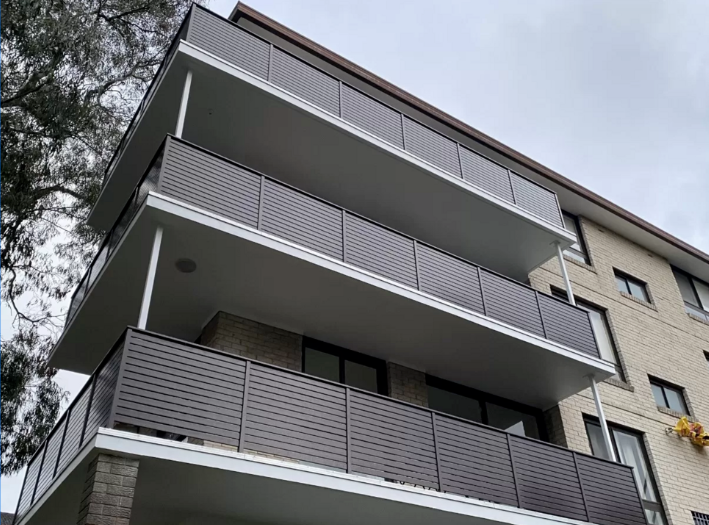
Modern home design increasingly prioritises comfort, functionality and visual appeal alongside privacy. As residential spaces become more open and interconnected, homeowners are looking for architectural solutions that provide separation without compromising light or aesthetics. Many property owners exploring contemporary design options find that aluminium privacy screens Sydney by Railsafe offer a practical way to achieve privacy while enhancing the overall appearance of their homes. Understanding how privacy screens contribute to modern architecture helps homeowners make informed decisions when designing or upgrading residential spaces. Privacy screens are no longer viewed as purely functional barriers. They have evolved into design elements that shape how spaces are experienced and used.
Redefining Privacy in Contemporary Living
Traditional approaches to privacy often relied on solid walls, fences or heavy structures that limited visibility and natural light. Modern homes, however, emphasise openness and fluidity between indoor and outdoor spaces. Privacy screens provide a middle ground between complete enclosure and full exposure.
By filtering views rather than blocking them entirely, privacy screens allow homeowners to maintain a sense of seclusion while preserving connection to their surroundings. This balance is particularly important in urban and suburban environments where properties are located close together. In contemporary design, privacy is no longer about isolation but about controlled visibility and spatial comfort.
Enhancing Architectural Aesthetics
Privacy screens play a significant role in shaping the visual identity of a home. Their patterns, materials and placement contribute to the architectural language of a building.
Aluminium screens, in particular, offer clean lines and modern finishes that complement contemporary architecture. They can be customised with geometric patterns, vertical slats or perforated designs to suit different styles. When integrated thoughtfully, privacy screens become focal points rather than secondary additions. By blending functionality with design, privacy screens elevate the aesthetic quality of residential properties.
Supporting Indoor and Outdoor Living
Modern homes often feature seamless transitions between indoor and outdoor areas such as balconies, patios and courtyards. Privacy screens help define these spaces while maintaining visual continuity.
In outdoor areas, screens provide protection from neighbouring views without obstructing airflow or natural light. Indoors, they can be used to divide spaces subtly, creating zones within open-plan layouts. This flexibility allows homeowners to enjoy outdoor living areas with greater comfort while maintaining a cohesive design across the property.
Improving Comfort in Urban Environments
Urban living presents unique challenges related to density, noise and visual exposure. Privacy screens offer practical solutions for homeowners seeking to enhance comfort in busy neighbourhoods.
Screens can reduce direct sightlines from neighbouring properties and streets, creating more intimate living spaces. They can also provide partial shielding from wind and sunlight, contributing to improved environmental comfort. In high-density areas, privacy screens serve as essential design tools that support liveability without sacrificing architectural openness.
Material Advantages in Modern Design
Material selection plays a crucial role in the performance and longevity of privacy screens. Aluminium has become a preferred choice due to its durability, versatility and low maintenance requirements.
Unlike timber, aluminium does not warp, rot or require frequent treatment. Compared to steel, it offers a lightweight structure with strong resistance to corrosion when properly finished. These qualities make aluminium particularly suitable for outdoor applications in Australian climates. The durability of aluminium ensures that privacy screens maintain both their structural integrity and visual appeal over time.
Compliance and Safety Considerations
Privacy screens often form part of balustrades, fences or structural elements, making compliance with building regulations essential. Australian standards specify requirements related to height, spacing and structural stability.
Professionally designed and installed privacy screens are typically engineered to meet these requirements, providing homeowners with confidence in their safety and legality. Compliance is particularly important in multi-storey buildings and strata properties, where safety regulations are strictly enforced. By integrating privacy screens that meet regulatory standards, homeowners can achieve design goals without compromising safety.
Flexibility in Residential Applications
One of the defining features of privacy screens in modern home design is their adaptability. They can be used in a wide range of applications, including balconies, staircases, gardens, windows and façades.
Privacy screens can also be customised to suit specific functional and aesthetic requirements. Homeowners may choose patterns that enhance visual interest or configurations that maximise airflow and light. This adaptability allows privacy screens to be integrated into both new builds and renovation projects, making them versatile solutions for diverse architectural contexts.
Contribution to Property Value and Appeal
Design features that combine functionality with aesthetics often enhance property value. Privacy screens contribute to this effect by improving visual appeal while addressing practical needs.
Homes with well-designed privacy solutions tend to appear more refined, modern and thoughtfully planned. Buyers and tenants often perceive such features as indicators of quality and attention to detail. For homeowners, investing in privacy screens is not only a design choice but also a strategic improvement that can influence long-term property appeal.
Sustainability and Environmental Considerations
Sustainability is becoming an increasingly important factor in modern home design. Aluminium privacy screens support sustainable building practices through durability, recyclability and reduced maintenance requirements.
The long lifespan of aluminium products reduces the need for frequent replacements, minimising material waste. Additionally, many aluminium systems incorporate recycled content, contributing to more responsible material use. Privacy screens can also enhance environmental performance by providing shade and reducing heat gain, which may contribute to improved energy efficiency in certain settings.
The Importance of Professional Design and Installation
The effectiveness of privacy screens depends on thoughtful design and precise installation. Professional designers and installers consider factors such as structural integration, aesthetic harmony and functional performance.
Experienced professionals ensure that privacy screens align with architectural elements and meet regulatory requirements. This expertise helps homeowners achieve solutions that are both visually appealing and structurally sound. Professional installation also ensures that privacy screens perform effectively under environmental conditions and maintain their appearance over time.
Conclusion
Privacy screens have become integral components of modern home design, offering solutions that balance privacy, aesthetics and functionality. By redefining how spaces are divided and experienced, privacy screens contribute to more comfortable, adaptable and visually engaging residential environments.
For homeowners exploring contemporary design solutions, options such as aluminium privacy screens Sydney by Railsafe demonstrate how thoughtful material selection and architectural integration can transform functional elements into defining design features. Through careful planning and professional implementation, privacy screens can enhance comfort, protect privacy and elevate the overall character of modern homes.
Other Articles
What Bexley Property Owners Should Know About Electrical Standards